

A high-performance home cinema system doesn’t rely solely on high picture quality. Sound plays a crucial role in creating total immersion for viewers. However, it’s easy to make mistakes that can harm the audio quality of your setup. Here are the ten most common mistakes to avoid in order to optimize your home cinema experience.
The Different Formats to Choose From
5.1 Surround Sound: This format includes five speakers (left front, right front, center, left rear, right rear) and a subwoofer. It provides an immersive audio experience for most films.
7.1 Surround Sound: Similar to 5.1, this format adds two additional rear speakers for an even more enveloping sound. Dolby Atmos: This innovative format adds overhead sound channels, creating a three-dimensional audio experience. Ideal for modern films and high-end systems.
DTS: Similar to Dolby Atmos, DTS also allows sounds to be placed in a three-dimensional space, offering flexibility in audio design.
Stereo: A simple format with two audio channels (left and right), often used for music and less demanding films.
Underestimating the Importance of the Center Speaker

The center speaker is essential for dialogue clarity and sound coherence. In a film, dialogue often drives the plot and character development. A setup without a center speaker or with a poor-quality speaker can render dialogue muffled or poorly defined, compromising immersion and content understanding. Investing in a high-quality center speaker ensures clear and precise dialogue, significantly enhancing the viewing experience.
Sound Inconsistency: Mixing Speakers from Different Ranges
Using speakers from different brands or ranges in the same system is another common mistake. Heterogeneous speakers can produce different tonalities, creating sound inconsistency and an unbalanced audio experience. To ensure sound uniformity, use speakers from the same brand and range.
Inadequate Power: The Risks of an Underpowered Amplifier
Choosing an undersized amplifier for your speakers can severely impact your system’s performance. An amplifier that’s too weak may not drive your speakers properly, reducing sound dynamics and clarity. Ensure that the chosen amplifier matches your speakers' power specifications for optimal performance.
The Subwoofer: An Essential Component Neglected
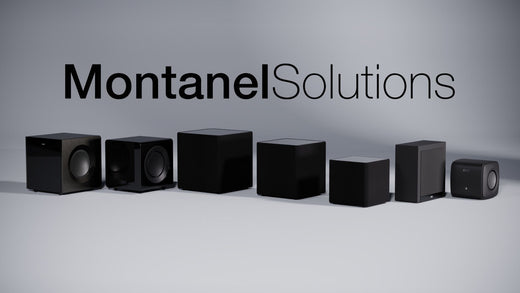
The subwoofer is often underestimated, yet it is crucial for reproducing low frequencies, adding depth and impact to soundtracks. Integrating a quality subwoofer into your system will enrich the overall sound experience.
Crucial Positioning: Avoiding Errors with the Subwoofer
Placing the subwoofer in a corner or non-optimized space can cause excessive resonances or poorly distributed bass in the room. To find the position that offers the best low-frequency response, experiment with the subwoofer's placement, often in the middle of the front wall or on the side.
Crucial Settings: Optimizing Subwoofer Performance
Not properly adjusting the subwoofer settings can lead to overly powerful or insufficient bass, disrupting the sound balance. Use phase, cutoff frequency, and volume settings to harmonize the subwoofer with the rest of your system.
Misplacing Surround Speakers
Placing surround speakers too far forward or too far back is a frequent mistake. Incorrect positioning of surround speakers can diminish the immersive effect and harm the enveloping audio experience. For optimal surround sound, position the speakers slightly behind and above the viewers.
Placing the Center Speaker Too High or Too Low
Positioning the center speaker at an incorrect height can affect dialogue clarity and sound coherence. Ideally, place the center speaker at ear level of the viewers, either below or above the screen.
Neglecting the Acoustic Properties of the Listening Room
Overlooking the room's acoustics is a mistake that can degrade sound quality. Reflections, reverberations, and other acoustic issues can greatly harm the experience. Use acoustic panels, carpets, and curtains to improve the room's acoustics and reduce unwanted reflections.
Ignoring Room Lighting
Lighting plays a crucial role in the cinematic experience. Excessive or poorly positioned lighting can harm the ambiance and immersion. It’s essential to provide adjustable lighting, such as dimmable lamps or wall sconces, to create an appropriate atmosphere. Avoid reflections on the screen by positioning light sources out of the viewers' line of sight. Good control of lighting not only enhances image visibility but also contributes to the overall movie experience.
Conclusion
Avoiding these common mistakes will allow you to make the most of your home cinema system. By taking the time to carefully select, install, and adjust your equipment, you can enjoy an immersive and high-quality audiovisual experience. If you need assistance optimizing your setup, don’t hesitate to contact our experts for personalized advice and tailored solutions.

Leave a comment
This site is protected by hCaptcha and the hCaptcha Privacy Policy and Terms of Service apply.